
acid etched glass panels
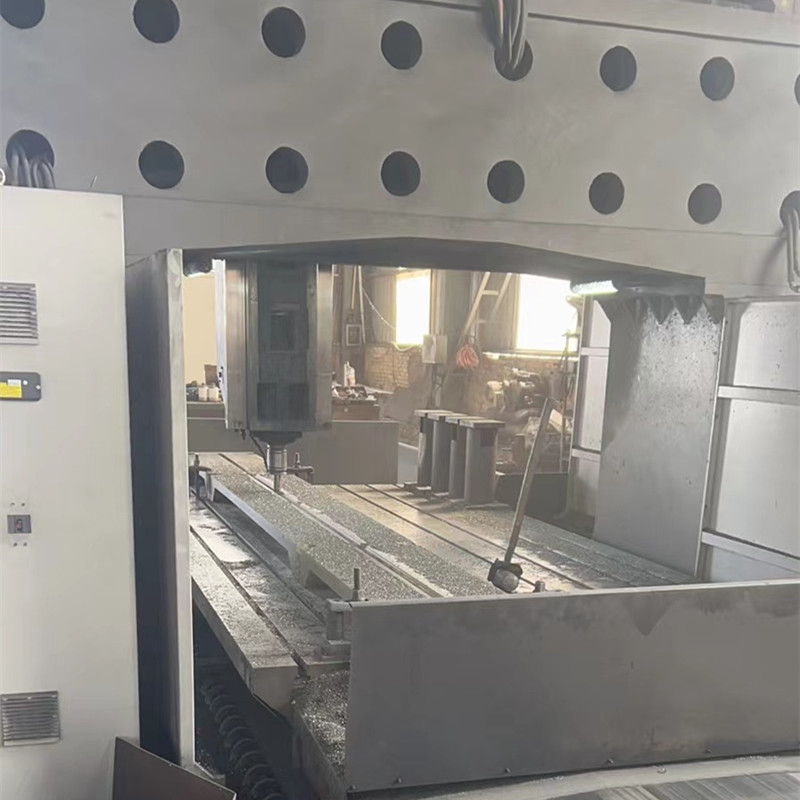
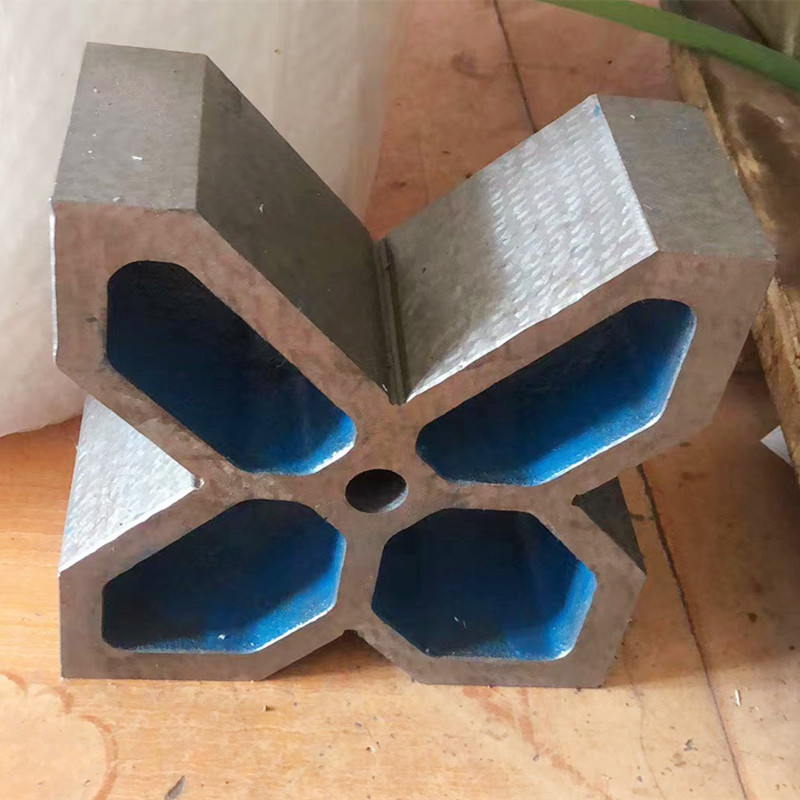
Making V Blocks A Guide to Precision Tooling When it comes to precision machining and fabrication, ensuring that workpieces are securely held and accurately aligned is paramount. One of the essential tools that can significantly enhance the accuracy of machining setups is the V block. These simple yet effective tools are designed to provide a stable and secure base for cylindrical and rectangular objects, making them indispensable in many workshops. In this article, we will explore the process of making V blocks and the critical considerations for achieving optimal precision. What is a V Block? A V block is a special clamping tool characterized by its V-shaped groove. This unique design allows it to hold cylindrical parts vertically, ensuring they are perfectly aligned for machining, grinding, or inspection. V blocks are often used in conjunction with milling machines, lathes, and surface grinders, making them versatile tools in metalworking and woodworking industries. Materials Required To create a V block, you will need the following materials and tools 1. Material High-grade steel or cast iron is preferred for durability and stability. Alternatively, aluminum can be used for lighter prototype applications. 2. Machining Tools A milling machine, lathe, drill press, and grinding machine are essential for precision shaping and finishing. 3. Measuring Instruments Calipers, micrometers, and gauges are necessary for ensuring accurate dimensions. 4. Cutting Tools End mills, saw blades, and grinding wheels are needed for shaping the V block. Step-by-Step Process 1. Planning the Design The first step in making a V block is designing it according to your specific requirements. Determine the dimensions based on the size of the workpieces you intend to use it with. Common sizes for V blocks are 2” x 4” x 6”, but custom sizes may be necessary depending on the application. 2. Cutting the Material making v blocks Using the appropriate saw, cut the raw material to roughly the desired dimensions. Ensure that you leave some excess material for precision machining later. A bandsaw or a chop saw works well for this initial cut. 3. Machining the Block Next, using a milling machine, start shaping the base block. Mill each face to ensure that they are flat and at right angles to each other. Pay special attention to maintaining squareness, as any deviation can lead to inaccuracies during use. 4. Creating the V Groove Once the block is shaped, it’s time to create the V groove. Set up the milling machine with an end mill cutter that matches the desired width of the V. The groove typically has a 45-degree angle, making it an ideal fit for standard cylindrical workpieces. Ensure the mill is properly aligned to achieve a symmetrical groove. 5. Finishing Touches After machining the V groove, inspect it for any burrs or sharp edges. Use a deburring tool or a hand file to smooth out the edges, which will help prevent damage to the workpieces being clamped. Additionally, a grinding machine can be employed to provide a precise finish and enhance the overall surface quality. 6. Calibration and Testing Before the V block can be put to use in actual machining operations, it’s crucial to calibrate and test it. Use measuring instruments to check the dimensions precisely. Ensure that the V groove is accurately cut to the correct angle and width. Testing it on a sample workpiece will confirm that it holds securely without any slippage. Conclusion Making V blocks is a straightforward process that yields significant benefits in precision machining applications. With the right materials, tools, and techniques, hobbyists and professionals alike can produce their own V blocks to suit specific project needs. By investing time in the planning and execution phases, operators can ensure that their V blocks contribute to higher accuracy, improved efficiency, and ultimately, better quality work in their machining endeavors. Whether in a home garage or a commercial workshop, mastering the art of making V blocks is a valuable skill for anyone involved in precision tooling.
about
acid etched glass panels
Le Prix des Vannes de Contrôle de Pression Un Élément Clé pour l'Industrie Dans le secteur industriel, la gestion de la pression est essentielle pour assurer un fonctionnement optimal des systèmes. Les vannes de contrôle de pression jouent un rôle crucial dans ce processus, permettant de réguler la pression des fluides dans les systèmes de tuyauterie. Cet article se penche sur le prix des vannes de contrôle de pression, un facteur déterminant dans le choix des équipements industriels. Les vannes de contrôle de pression sont disponibles dans une variété de modèles, chacun conçu pour répondre à des besoins spécifiques en matière de régulation de pression. Le prix de ces vannes peut varier considérablement en fonction de plusieurs facteurs, notamment le type de valve, les matériaux utilisés, la taille, la plage de pression et les fonctionnalités supplémentaires. Le Prix des Vannes de Contrôle de Pression Un Élément Clé pour l'Industrie La taille de la vanne est également un élément déterminant du prix. Les vannes de plus grande taille nécessitent plus de matériaux et un processus de fabrication plus complexe, ce qui augmente leur coût. Il est essentiel de choisir une vanne de la bonne taille pour éviter des dépense inutiles tout en garantissant un fonctionnement efficace. pressure control valve price Un autre facteur influençant le prix est la marque. Certaines marques réputées offrent des produits de haute qualité, mais à des prix plus élevés en raison de leur technologie avancée ou de leur fiabilité. Il est important pour les entreprises d'évaluer le rapport qualité-prix lors de l'achat de vannes de contrôle de pression. Une vanne bon marché peut sembler attrayante, mais si elle ne fonctionne pas correctement, cela peut entraîner des coûts de maintenance élevés et des interruptions de production. En ce qui concerne les tendances du marché, la demande pour des vannes de contrôle de pression de haute qualité continue d'augmenter. Les industries de l'énergie, de l'eau et des services publics investissent dans des équipements fiables pour garantir la sécurité et l'efficacité de leurs opérations. Cela peut également influencer les prix, car une plus grande demande conduit souvent à une augmentation des coûts. Pour les entreprises, il est crucial de prendre en compte non seulement le prix d'achat initial, mais aussi le coût total de possession, qui inclut les frais d'installation, de maintenance et d'éventuels remplacements. Opter pour une vanne plus coûteuse mais durable peut s'avérer plus rentable sur le long terme. En conclusion, le prix des vannes de contrôle de pression est un aspect primordial à considérer pour les entreprises industrielles. En tenant compte des matériaux, de la taille, de la marque et des tendances du marché, les entreprises peuvent faire un choix éclairé qui répond à leurs besoins tout en respectant leur budget. Une bonne vanne de contrôle de pression est un investissement qui peut assurer la performance et la fiabilité des systèmes industriels.
-

High quality industrial productsagement

High quality industrial products
View Details -

Meet the diverse needs of customers

Meet the diverse needs of customers
View Details -

Strict quality control

Strict quality control
View Details -

Top raw materials

Top raw materials
View Details -

Trusted supplier

Trusted supplier
View Details
Our application
news and information
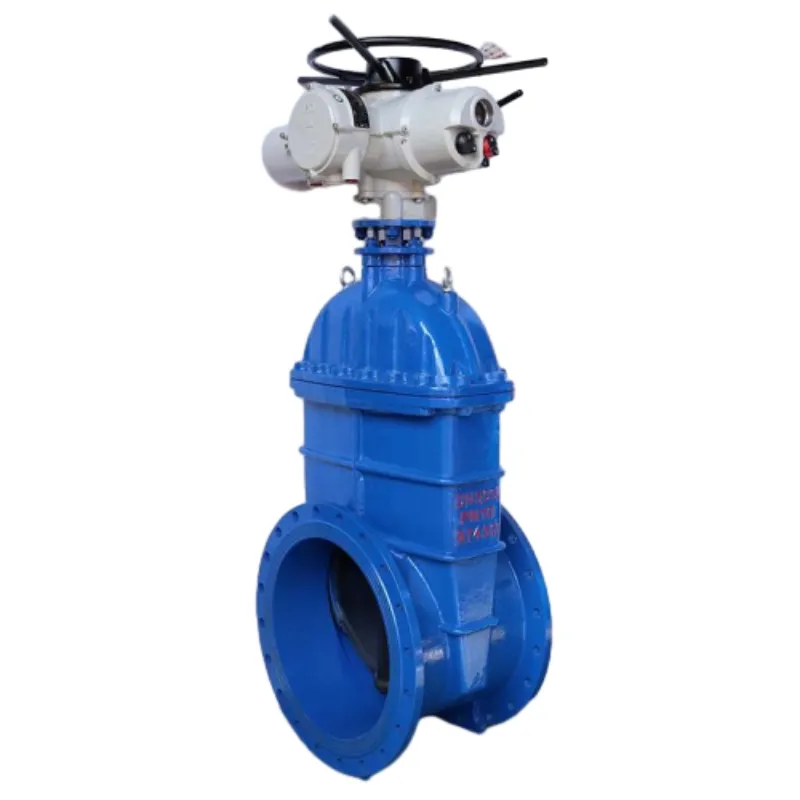
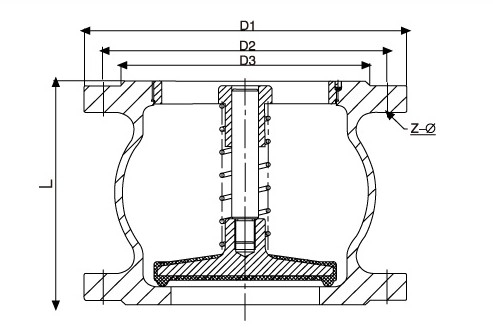
Válvula de retención de 25 mm para sistemas de plomería y fluidos industriales
25mm check valve .
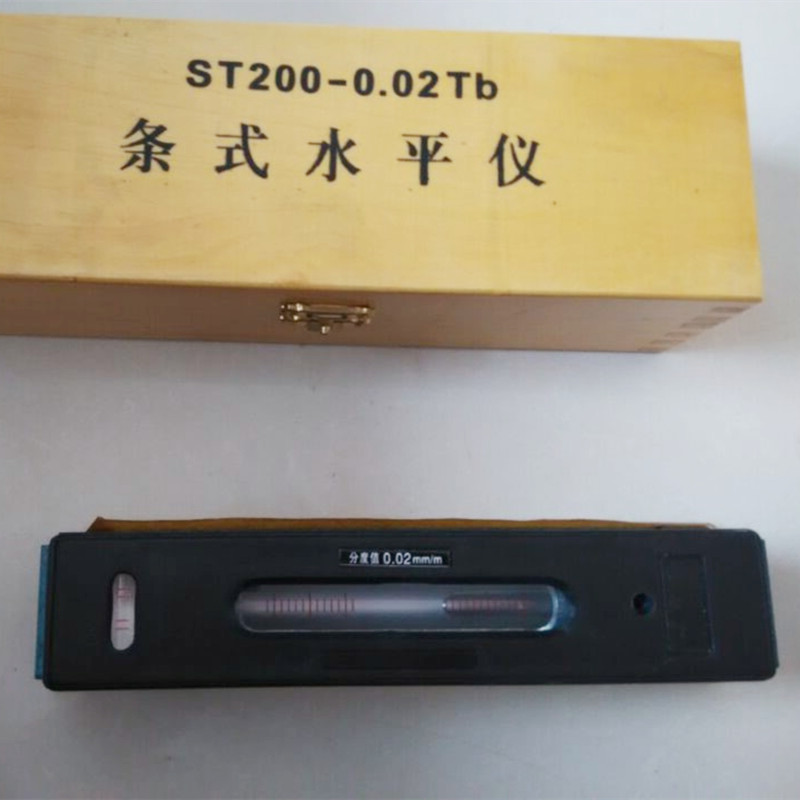
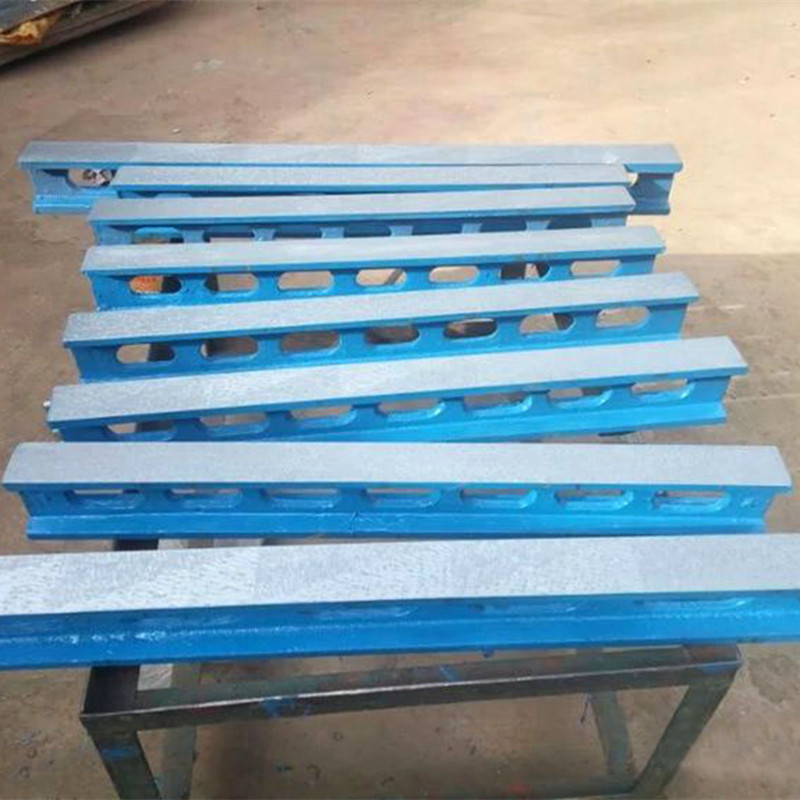
Using a Spirit Level for Accurate Measurements and Leveling Techniques
Understanding Spirit Level Measurements A Guide to Precision in Construction and Crafting In constru
Ventil motýl s 36% průtokem pro efektivní regulaci kapaliny
Motýlové ventily a jejich význam Motýlové ventily jsou jedním z nejefektivnějších a nejběžněji použí
 English